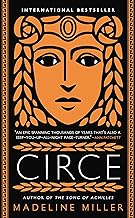
In the vast pantheon of Greek mythology, few figures have been as misunderstood and vilified as Circe, the sorceress of Aeaea. For centuries, she was relegated to the role of a minor antagonist in Odysseus's epic journey—a dangerous temptress who turned men into swine. However, in her stunning novel Circe, author Madeline Miller reclaims this powerful figure, offering a profound and deeply human feminist retelling that has captivated millions of readers worldwide and solidified its place as a modern classic.
From Marginalized Witch to Complex Heroine
Miller's genius lies in her ability to take a character from the margins of myth and place her firmly at the center of her own epic narrative. The novel Circe follows the goddess from her lonely childhood in the halls of the Titan Helios to her exile on the remote island of Aeaea. Far from a one-dimensional villain, Miller's Circe is a complex, introspective, and resilient character. She is an immortal who grapples with very mortal feelings: loneliness, desire for connection, the sting of rejection from her family, and a yearning for purpose. Her famed witchcraft, often portrayed as malicious, is reframed as pharmakeia—a deep, intuitive knowledge of the natural world, born from observation and necessity, making this a standout work of mythological fiction.
Themes of Power, Agency, and Transformation
At its heart, Circe is a story about transformation in its many forms. Literally, through her spells, but more importantly, through the evolution of the self. The novel explores themes of female agency in a world dominated by capricious and often cruel gods. Circe's journey is one of self-discovery and empowerment. She learns to harness her unique power not for the amusement or approval of others, but to carve out a life and a sanctuary of her own making. This powerful narrative has resonated deeply, earning the book numerous accolades and a spot on countless Book of the Year lists.
Madeline Miller's Greek Mythology Universe
Circe is not Miller's only foray into Greek mythology retelling. Her debut, The Song of Achilles: A Novel (P.S.), offers a poignant and lyrical take on the relationship between Achilles and Patroclus, winning the Orange Prize for Fiction. For readers who fall in love with Miller's lyrical prose and psychological depth, the Circe and The Song of Achilles By Madeline Miller 2 Books Collection Set is the perfect way to own both masterpieces. Her work has sparked a renewed interest in mythological retellings, paving the way for other powerful novels like Clytemnestra, which gives voice to another of mythology's infamous queens.
Circe's Enduring Legacy and Cultural Impact
The impact of Miller's Circe extends far beyond the pages of the novel. It has inspired a wave of related creative and scholarly works. For those looking to delve deeper, the Study Guide for Book Clubs: Circe is an invaluable resource for discussion and literary analysis. The mystical allure of the character has even influenced the world of divination with the visually stunning Circe Tarot deck, a beautiful tool for introspection that draws on the novel's themes of magic and self-knowledge.
The goddess's story continues to cross linguistic borders, reaching global audiences. Spanish readers can experience the magic in Circe [AdN] (Spanish Edition), while the German edition, Ich bin Circe: Roman, brings this rebellious tale to new readers. For modern practitioners or the spiritually curious, The Little Book of Circe: Invocations and Prayers connects the ancient myth to contemporary goddess worship and practice.
A Gateway to Modern Mythic Fiction
Fans of Circe often find themselves drawn to other works of modern fantasy and magical realism that blend the mythical with profound human emotion. A frequent recommendation alongside Miller's work is Susanna Clarke's Piranesi, another novel that explores isolation, memory, and a unique, labyrinthine world, creating a fascinating thematic pairing for readers as explored in related blog posts.
Ultimately, Madeline Miller's Circe is more than just a bestseller; it is a cultural touchstone. It challenges ancient narratives, celebrates quiet strength and intellectual power, and offers a timeless story of a woman determined to write her own destiny. It is a powerful reminder that even the most sidelined characters in our oldest stories have a voice waiting to be heard, making it an essential read for anyone interested in feminist fiction, powerful storytelling, and the enduring magic of myth.